





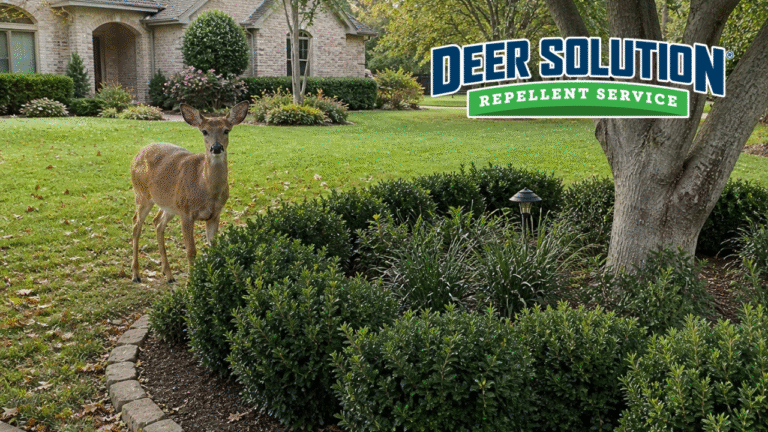
Gardening in deer-prone areas often comes with a persistent challenge: protecting ornamental and evergreen plants from opportunistic browsing. One plant that frequently raises this question is the yew. So, do deer eat Taxus yew? The answer is generally no—but with important nuances gardeners should understand. Taxus spp., commonly known as yew, is a classic evergreen shrub or tree valued for its dense foliage and landscape versatility. While it is widely considered deer-resistant due to its toxic compounds, it is not completely immune to browsing under certain conditions. This article explores deer behavior in relation to yew and how gardeners can better protect these valuable plants.
Deer and Taxus Yew: An Unlikely Target
Deer typically avoid Taxus yew, making it one of the more reliable evergreen choices in deer-prone landscapes. The plant contains toxic alkaloids known as taxines, which are harmful to many mammals when ingested. Because of this, Taxus species are generally classified as highly deer-resistant rather than deer-proof.
However, deer behavior is flexible. In periods of food scarcity—especially during winter or early spring—deer may sample plants they would normally avoid. While mature yew is rarely heavily damaged, young shoots or newly planted specimens can sometimes experience light browsing. In most residential landscapes, though, yew remains one of the least preferred food sources for deer.
Why Deer Are Avoiding Taxus Yew
Several biological and environmental factors explain why deer usually steer clear of yew:
- Toxic chemical compounds: Yew contains taxines, which are highly toxic to mammals and make the foliage naturally unappealing to deer.
- Bitter taste and low palatability: Even without knowing the toxicity, deer tend to reject the plant due to its bitter, resinous foliage.
- Evergreen structure with tough texture: The dense, needle-like leaves are less appealing compared to softer, more tender vegetation.
- Seasonal food availability: Deer are more likely to browse yew only when preferred food sources are limited, such as during harsh winters.
These combined factors make yew a strong candidate for deer-resistant landscaping, especially compared to many broadleaf ornamentals that deer prefer.
Understanding Deer Behavior and Taxus Yew
Deer feeding habits are heavily influenced by seasonal changes and habitat pressure. During spring and summer, deer typically have access to abundant herbaceous plants, shrubs, and forest understory growth. In these conditions, they are far less likely to interact with toxic or unpalatable plants like yew.
As winter approaches and natural forage becomes limited, deer become less selective. This is when even normally avoided plants may experience occasional browsing. Still, yew’s chemical defenses continue to make it one of the least attractive options in the landscape.
It’s also important to note that deer populations in heavily urbanized or fragmented habitats may behave differently. When natural ecosystems are reduced, deer may explore ornamental gardens more frequently, increasing the chance of incidental contact with plants they would otherwise ignore.
Creating a Deer-Resistant Landscape with Taxus Yew
Taxus yew is often used as a structural backbone in ornamental gardens due to its evergreen form and adaptability. In deer-prone areas, it performs especially well when combined with other naturally resistant species that share similar growing conditions.
Plants that complement yew in a deer-resistant landscape include:
- Boxwood (Buxus spp.), valued for its dense evergreen structure
- Lavender (Lavandula spp.), known for its aromatic foliage
- Russian sage (Salvia yangii), offering airy texture and strong scent
- Japanese holly (Ilex crenata), an evergreen alternative with low palatability to deer
Together, these plants help create layered visual interest while maintaining a landscape that is generally less appealing to deer browsing patterns.
Professional Deer Protection for Your Taxus Yew
Even though Taxus yew is naturally deer-resistant, no plant is entirely safe from browsing pressure in high deer population areas. Environmental stress, seasonal food shortages, or changing deer behavior can still lead to unexpected damage.
This is where Deer Solution provides a reliable, eco-friendly approach to landscape protection. With over 40 years of experience in deer damage control, Deer Solution specializes in helping homeowners protect valuable plantings like yew through a professional and humane service model.
Their approach is built around:
- All-natural, eco-friendly deer repellent solutions
- Professional treatments scheduled every 4–6 weeks, adjusted seasonally
- Weather-resistant formulations designed to remain effective after exposure to the elements
- Safe application that is harmless to wildlife, pets, and family once dry
- Fully managed service, from initial assessment through ongoing maintenance
Deer Solution handles everything—from the initial assessment to ongoing treatments—so you can enjoy your garden without worry. For high-value landscape plants like Taxus yew, this level of professional care helps ensure consistent protection throughout the year.
Protecting Your Taxus Yew: The Sustainable Solution
So, do deer eat Taxus yew? In most cases, they do not. Yew is widely regarded as a deer-resistant plant thanks to its toxic chemistry and unpalatable foliage. However, under pressure from food scarcity or habitat changes, occasional browsing can still occur, especially on younger growth.
While Taxus yew offers strong natural resistance, professional protection ensures peace of mind when deer pressure is unpredictable. Deer Solution provides an eco-friendly, humane approach that supports both landscape health and wildlife balance.
While addressing deer-related landscape challenges can seem daunting, Deer Solution offers a specialized approach grounded in our eco-friendly ethos and decades of expertise.


