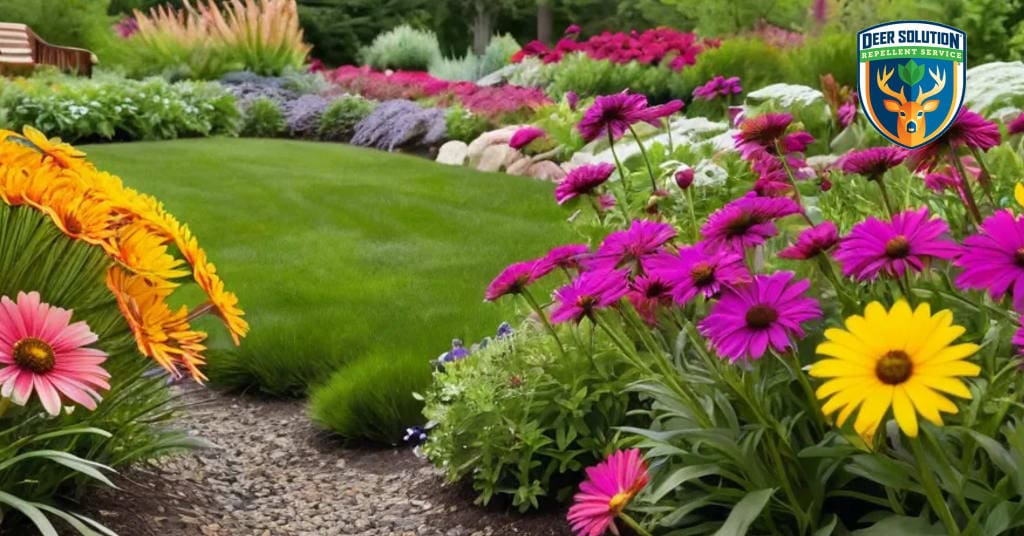
Understanding Deer Feeding Habits and Garden Protection
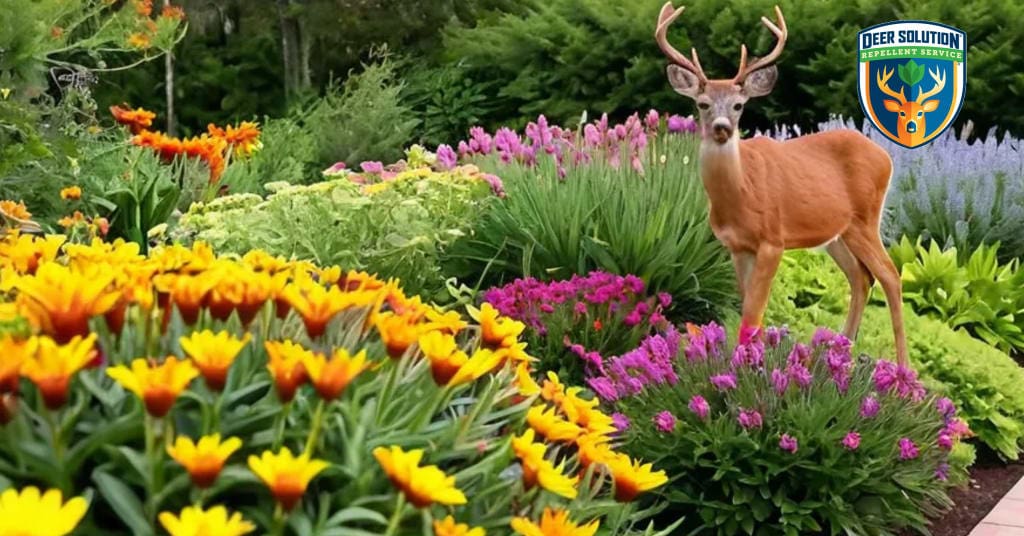
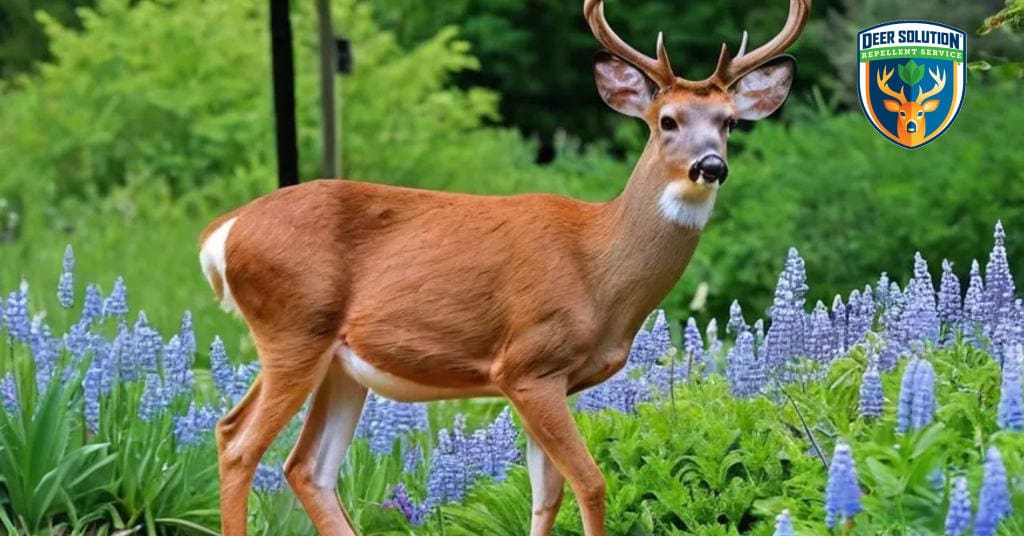
Deer are opportunistic eaters, and their feeding habits can significantly impact the health and appearance of home gardens. While some plants are naturally less appealing to deer due to their texture, scent, or taste, no plant is entirely deer-proof. Understanding what attracts deer and what deters them is the first step in effective garden protection.
Deer are particularly drawn to young, tender growth, which is why they often target new buds, flowers, and fresh foliage. Their browsing can lead to stunted growth, reduced flowering, and even the death of susceptible plants. By learning about deer behavior and plant preferences, gardeners can make informed decisions about plant selection and implement strategies to safeguard their landscapes.
How Deer Solution Protects Your Garden from Deer
Deer Solution offers a comprehensive service designed to deter deer from damaging your garden plants, focusing on eco-friendly and safe methods. Our approach is tailored to your specific landscape and the deer population in your area, ensuring effective protection for your flowers and other vegetation.
Our service involves a multi-faceted strategy that may include the application of specialized repellents, strategic planting advice, and ongoing monitoring. We understand that each garden is unique, and we work with homeowners to create a customized plan that not only keeps deer away but also promotes the overall health and beauty of your garden.
Identifying Deer-Resistant Flowers for Your Garden
Choosing deer-resistant flowers is a proactive strategy for homeowners looking to minimize deer damage. While "deer-proof" is a difficult claim to make, certain flowers possess characteristics that make them less appealing to deer, such as strong scents, fuzzy or leathery leaves, or toxic properties.
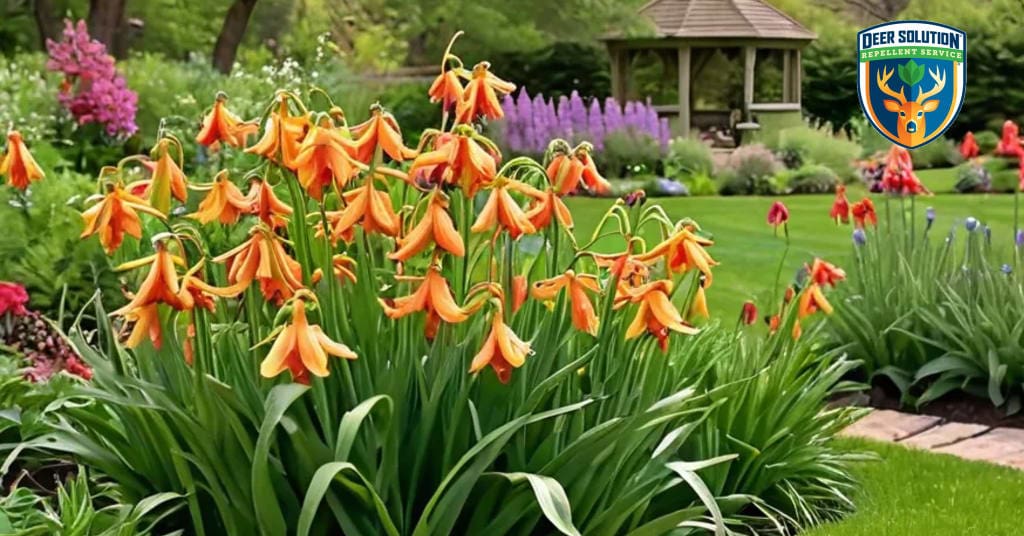
Incorporating a variety of deer-resistant blooms can create a more resilient garden. Examples of flowers often cited for their resistance include lavender, peonies, irises, and many types of ornamental grasses. Researching the specific deer pressure in your region and consulting with local gardening experts can further refine your selection of resistant plants.
Effective Strategies for Deer Proofing Your Landscape
Beyond selecting deer-resistant plants, implementing a range of deer-proofing strategies can significantly enhance your garden's protection. These methods can include physical barriers, scent-based deterrents, and even noise-making devices, all aimed at making your garden an unappealing dining spot for deer.
Commonly recommended deer-proofing techniques involve the use of fencing, netting, or repellents. Repellents can be applied directly to plants or strategically placed around the garden perimeter, utilizing scents or tastes that deer find offensive. Combining multiple deterrents often yields the best results, creating a layered defense against persistent deer browsing.