





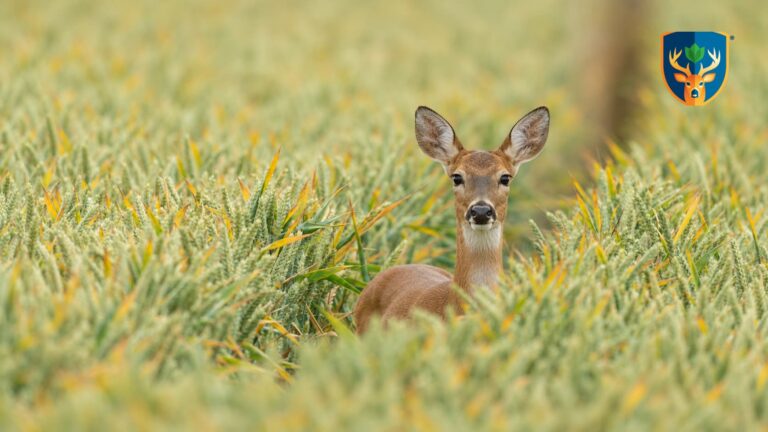
Yes, deer can eat ornamental grasses, but most varieties rank low on their list of preferred plants. NC State Extension names many ornamental grasses among the plants deer usually leave alone, and Rutgers Cooperative Extension rates most varieties as rarely damaged. Resistance describes a preference, not a promise, since deer may still browse a grass under heavy pressure.
Here’s why deer tend to pass grasses by, when they eat them anyway, and how to look after new plantings while they settle in.
Why Deer Generally Avoid Ornamental Grasses
Deer generally avoid eating ornamental grasses, while favorites named in extension guidance include azaleas, roses, hostas, and daylilies. Deer-resistance ratings, such as those from Rutgers, sort plants by how often deer damage them, and many ornamental grasses sit toward the rarely damaged end of that scale.
For a homeowner planning a bed in a yard deer already visit, that makes ornamental grasses a reasonable place to start. It does not make them immune to browsing. Rutgers notes that how any rated plant fares depends on how many deer are nearby and on the weather, so local deer may not follow a rating exactly.
On the Rutgers list, the ornamental grasses we reviewed all rate seldom severely damaged or better, while hostas, yews, and evergreen azaleas rate frequently severely damaged. Grasses are one group among the many plants covered in our plant-by-plant deer guides, and protecting the whole bed matters as much as choosing the right grass.
When Deer Will Still Eat Ornamental Grasses
Whether deer eat ornamental grasses in a given yard can shift under heavy deer pressure, when deer may eat plants they usually avoid, and young plants and tender new growth draw deer too.
A few conditions make browsing more likely:
- Heavy deer pressure. Where deer are numerous and other food is limited, deer may sample even plants they usually avoid.
- Young plants. Young plants and tender new growth can draw deer.
- Dry spells. In drought, deer may damage plants they normally leave alone.
None of this means a grass bed will be damaged. It means a planting’s age and the deer pressure around it count alongside the variety you choose. Watching new plantings closely is the practical response, and it is where a professional program does its best work.
Best Deer-Resistant Ornamental Grass Varieties for Landscaping
The best deer-resistant ornamental grass varieties for landscapes prone to deer damage include switchgrass, little bluestem, feather reed grass, and blue fescue, all rated rarely damaged by Rutgers Cooperative Extension.
Grasses Rutgers rates as rarely damaged include:
- switchgrass (Panicum virgatum)
- little bluestem (Schizachyrium scoparium)
- Indian grass (Sorghastrum nutans)
- big bluestem (Andropogon)
- feather reed grass (Calamagrostis)
- blue fescue (Festuca glauca)
NC State Extension’s Plant Toolbox also tags northern sea oats (Chasmanthium latifolium) and Japanese forest grass (Hakonechloa macra) as deer resistant, and NC State Extension separately names pink muhly grass (Muhlenbergia capillaris) among the grasses deer rarely bother.
When choosing from that list, three points help:
- Regional fit. Choose varieties suited to your climate and growing conditions, so the planting thrives where you live.
- Resistance, not immunity. Even a rarely damaged grass can be browsed under pressure.
- New beds. Give new plantings extra attention while they settle in, as the next section explains.
Choosing well lowers deer damage to landscaping grasses across a bed, and pairing good choices with consistent protection covers the rest of the landscape, from the grasses to the shrubs and flowers around them.
Protecting Newly Planted Ornamental Grasses from Deer
Protecting newly planted ornamental grasses from deer starts with watching them closely while they establish, since young plants and tender new growth can draw deer regardless of a grass’s resistance rating.
Check new beds often so you notice browsing early, before a young planting loses much of its growth or the shape you planted it for. Plan protection for the whole bed, not just a single plant, since new grasses usually share space with shrubs and flowers.
Professional deer repellent service covers new beds through that establishment window along with the rest of the landscape. Treatments go on the plantings that need them, and the program is adjusted as the bed matures and deer pressure changes.
How Deer Solution® Helps Protect Ornamental Grasses and the Rest of Your Landscape
Deer Solution helps protect ornamental grasses and every plant deer favor more, with a recurring professional repellent service built around your property. Your local Deer Solution team combines Certified Deer Damage Expert® expertise, highly trained technicians, proprietary liquid and granular repellents, and ongoing support to build a treatment program around your property and deer pressure.
Grasses rated deer-resistant are not the only plants in most beds, and the shrubs, flowers, and young plantings nearby are usually where a repellent program does the most good.
Made with essential oils and other natural ingredients, the repellent works through taste and smell rather than a physical barrier. It dries clear with no foul odor once set, and stays rain-fast afterward.
Most customers get recurring professional treatments, typically monthly, with extra visits scheduled when the program and deer pressure call for them. Service runs year-round because deer browse in every season.
Consistent professional treatments matter more than any single treatment. Deer are creatures of habit, and regular service is what shifts those habits over time, which is why professional service holds up better than DIY sprays.
A Certified Deer Damage Expert builds that program around your actual plantings and deer pressure, then adjusts it with you as the landscape changes. No repellent makes a grass or any other plant untouchable, and no service can promise deer will stay out of the yard entirely. Consistent treatments reduce browsing and help your landscape hold its value as the season wears on.
Frequently Asked Questions About Ornamental Grasses
Do deer eat pampas grass or fountain grass?
Deer usually pass over pampas grass and hardy fountain grass (Pennisetum alopecuroides), commonly considered deer-resistant, though deer may still browse them under pressure. Young plants and tender new growth can still draw deer. Both can spread beyond the garden in some areas, so check local guidance before planting them.
Why would deer eat grass they normally avoid?
Deer may eat ornamental grasses they normally avoid when deer pressure is high, and other food is limited. Young plants and tender new growth also attract deer. A deer-resistant rating describes usual deer behavior, not a promise.
Will deer eat ornamental grasses planted near a vegetable garden?
Deer can still browse ornamental grasses planted near a vegetable garden if they’re already visiting the yard, even though the grasses themselves are commonly considered deer-resistant. Keep an eye on grasses planted close to the garden, especially new ones, since deer may still browse resistant plants under pressure.
How long does a newly planted ornamental grass stay at higher risk from deer?
Grass varieties and growing conditions differ, so we don’t give one timeline for every grass. Young plants and tender new growth can draw deer, so watch new plantings closely until they establish. Your local Deer Solution team can recommend protection for a new bed.
Talk to a Certified Deer Damage Expert About Your Landscape
The short answer to whether deer eat ornamental grasses is usually no, since they’re a good choice where deer visit, but deer can still browse any plant, and the plants deer favor need protection. If deer are working through your beds despite your plant choices, a conversation costs nothing and can help protect the landscape you have invested in.
Schedule a Free Consultation, find your local Deer Solution team, or call (888) 503-8313.


