





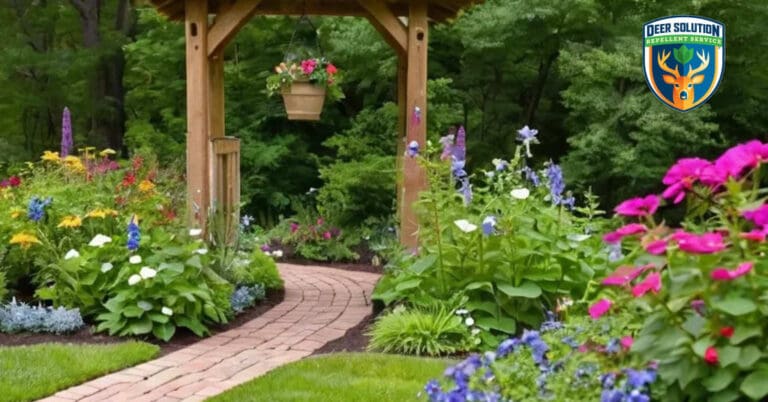
Do Deer Eat Morning Glories? Insights for a Healthier Garden
Gardeners often wonder, do deer eat morning glories? These vibrant, climbing plants add a splash of color to any garden, but their appeal isn’t limited to humans. Understanding deer behavior and their dietary preferences can help you protect your cherished blooms while fostering a healthy garden ecosystem.
Understanding Deer Dietary Habits
Deer are opportunistic feeders, consuming a wide variety of plants depending on availability and season. While they tend to prefer certain plants, their diet can be quite diverse. Morning Glories (Ipomoea species) are known for their beautiful, trumpet-shaped flowers, which can be particularly enticing to deer. Adaptable in their feeding habits, deer may browse on Morning Glories when other food sources are scarce, especially during challenging seasons.
Do Deer Eat Morning Glories?
Yes, deer do eat Morning Glories. These plants are not deer-resistant and can become part of their diet, especially when other food sources are limited. Deer are particularly attracted to the tender leaves and flowers, which can lead to noticeable damage in gardens. Their lush foliage and colorful blooms make Morning Glories a tempting snack for deer, especially in the spring and summer when the plants are at their peak.
Why Morning Glories Attract Deer
Morning Glories are attractive to deer for several reasons:
Tender Foliage: The soft, lush leaves of Morning Glories are easy for deer to chew and digest, providing a nutritious option when other vegetation is less accessible.
Colorful Blooms: The bright and striking flowers can draw deer into gardens during blooming seasons, acting as visual lures.
Availability: In areas where natural food sources are scarce, especially during droughts, deer are more likely to target garden plants like Morning Glories.
Attracting Pollinators with Morning Glories
While Morning Glories may attract deer, they also have immense value in supporting pollinators. These plants are known for attracting bees, butterflies, and even hummingbirds, making them a critical part of a thriving garden ecosystem. By planting Morning Glories, gardeners contribute to biodiversity and support the vital role pollinators play in plant reproduction and overall garden health. Balancing the need to protect Morning Glories from deer while encouraging pollinator activity is essential for fostering a vibrant, eco-friendly landscape.
Supporting Garden Health with Deer-Resistant Plants
One effective strategy to protect Morning Glories and maintain biodiversity is to incorporate deer-resistant plants as companions. Plants such as lavender, rosemary, and marigolds are less appealing to deer and can help create a natural barrier. This companion planting approach not only deters deer but also enhances the overall beauty of your garden, providing variety and structure while supporting pollinator activity. By choosing deer-resistant plants that thrive alongside Morning Glories, you can reduce the likelihood of deer browsing while keeping your garden vibrant.
Sustainable Solutions for Deer Management
Managing deer-related challenges can seem overwhelming, but with the right strategies, your garden can thrive. Deer Solution offers specialized, eco-friendly approaches to keep deer at bay while protecting your Morning Glories and other plants. Our natural repellent services are designed to provide long-lasting protection, focusing on maintaining ecological balance without harming wildlife.
By partnering with Deer Solution, you benefit from customized protection plans that consider your garden’s unique layout and needs. Whether you’re looking for solutions to protect a small patch of Morning Glories or an entire landscape, Deer Solution’s team of experts is ready to help you create a thriving, resilient garden. Explore how sustainable solutions and expert guidance can lead to a healthy, deer-resistant landscape.
SHARE:
Protect your garden.
Get a quote now!
Take action now and prevent deer damage to your plants. Choose the natural option of spray on deer repellent that will not affect your plant’s growth.
Please Note: The information presented in this website is based on our observations, research, and a passion for understanding the interactions between flora and fauna. While we make every effort to ensure the accuracy and reliability of the content, there is no guarantee, representation, or warranty regarding the completeness, accuracy, or timeliness of the information provided. Please view the Terms of Use Policy for further details.
Patricia Clees left us a 5 star review
on Google
7/03/2026
×
Rated 4.7 out of 5 stars based on 226 customer reviews on Facebook.
Gardening is my hobby, passion, and love. When I first moved to Clarkston 48 years ago, I could plant anything without worrying about animals eating them. At that time, Clarkston was more rural, with plenty of open fields for animals to roam.
As the years passed, however, buildings and parking lots emerged, and those open fields vanished. It became increasingly depressing to wake up each morning and find my Hostas, daylilies, roses, hydrangeas, and other plants chewed down to the ground. I tried using a chemical spray to deter the deer, but there were nights I would forget to apply it, or rain would wash it away. Sometimes, the deer were so hungry that they ignored the chemicals altogether. I had nearly given up hope of ever seeing my beautiful plants thrive again.
One day, while scrolling through my Facebook feed, I came across an ad for your company. Although I was skeptical about "magic solutions" to serious problems, I decided to call and speak with a representative. Rick came to my house, and after just a few minutes, I felt willing to take a chance on his service. He was knowledgeable, caring, and honest.
The following week, he came out and sprayed my garden, and then returned two weeks later for another application. I am beyond thrilled to report that nothing has been eaten in my flower beds or large garden—absolutely nothing! I can hardly believe it, but it’s true: nothing has been touched. After ten years, I will finally get to see my beautiful daylilies bloom, as well as my Hostas and Solomon's seal returning next year, along with other plants.
Thank you, Deer Solutions, for coming to my rescue. I am grateful for your professionalism, honesty, and care. You company has my respect and appreciation.
Patricia Clees
Clarkston, Michigan
read moreread less
Patricia Clees
7/03/2026
The technician was very professional and attentive. Really recommend the service !
read moreread less
Sonia Dunn
3/21/2026
They are doing a great job. Have not seen any deer after they started the job oin our yard. Great team.
read moreread less
Kamakshi Venkataraman
3/20/2026
So thrilled that this was the first year in 24 years that we were able to have mums without having to spray them ourselves every day and still not working. We just had all of our gardens redone and made sure Deer Solutions came out right afterward and they accomodated very quickly. We saw what looked like something eating on of our plants and they quickly came right back and we have not seen anything other than deer on our neighbors lawns and plants but not ours. Thank you Thank you Thank you! Well worth it to keep our gardens deer free! If we see anything, we'll call them and they come right out:)
read moreread less
Ursula Labrusciano
11/03/2025
We started with Deer Solution Repellent Service this Spring. For the first time in years our hosta plants are thriving and our flowers are not being eaten. We had a couple of times that we needed an extra treatment, and we were able to get a service the very next day! This is an excellent company. The treatments are safe and effective!!
Yes, deer do consume morning glories, especially when other food sources are scarce. Their tender foliage and colorful blooms are attractive to deer.
what do deer consume?
Deer consume a wide variety of plants, including flowers, vegetables, fruits, and shrubs. They are particularly attracted to tender, new growth and will eat morning glories.
how can I protect morning glories from deer?
To protect morning glories from deer, consider companion planting with deer-resistant species or using natural, eco-friendly repellents offered by Deer Solution.
what are the best deer-resistant plants?
The best deer-resistant plants often have strong scents, fuzzy or leathery leaves, or are toxic. Examples include lavender, rosemary, peonies, and ornamental grasses.
Do deer eat morning glory flowers?
Yes, deer do eat morning glory flowers and foliage, especially when other food sources are scarce. Their tender leaves and vibrant blooms are an attractive snack for hungry deer.
What food sources do deer prefer?
Deer prefer tender, new growth like flowers, fruits, vegetables, and young trees. They are especially drawn to these when other food sources are scarce.
How to stop deer eating plants?
To stop deer eating plants, use eco-friendly repellents and plant deer-resistant species. Deer Solution offers natural, effective services to protect your garden from deer damage.
What plants do deer avoid eating?
Deer tend to avoid plants with strong scents, fuzzy or thorny textures, or those that are toxic.
Are morning glories safe from deer?
Morning glories are not safe from deer. Deer are attracted to their tender foliage and colorful blooms, especially when other food sources are limited.
What to plant near morning glories?
To enhance your garden, plant deer-resistant species near morning glories. This strategy helps deter deer and protect your blooms.
What natural deer repellents work?
Natural deer repellents that work often involve strong scents like garlic, peppermint, or predator urine, or the use of physical barriers.
How effective are companion plants?
Companion plants can be effective in deterring deer by masking the scent of desirable plants and introducing less appealing aromas, but their success varies.
When do deer browse plants most?
Deer browse plants most during periods of scarcity, particularly in late winter and early spring when other food sources are limited.
What damage do deer cause gardens?
Deer damage gardens by browsing on plants, flowers, and vegetables, often leaving behind broken stems and stripped foliage, ruining your garden's appearance and health.
Are morning glories appealing to deer?
Yes, morning glories are appealing to deer, especially when other food sources are scarce, due to their tender foliage and colorful blooms.
Which plants deter deer effectively?
Certain plants deter deer effectively due to their strong scents or textures. Consider planting lavender, rosemary, or ornamental grasses to naturally protect your garden.
How to deter deer from my yard?
Deterring deer from your yard involves using eco-friendly repellents and planting deer-resistant species to protect your garden naturally.
What eats morning glories besides deer?
While deer are a common threat, rabbits and other small mammals may also nibble on morning glories, especially when their preferred food is scarce.
Is there a scent deer dislike?
Yes, deer dislike certain scents. Strong, pungent odors like garlic, essential oils, and some natural predator scents can deter them from gardens.
What are deer repellent strategies?
Deer repellent strategies involve using natural deterrents, companion planting, and professional eco-friendly services to protect plants from deer damage.
are morning glories deer resistant, do deer eat morning glory, do deer like morning glories, morning glory deer resistant, will deer eat morning glories