Rely on services that employ natural ingredients to keep deer at bay.
Experience the delight of nurturing a garden landscape with plants that deer prefer to avoid.
Enjoy the freedom to choose your favorite plants, knowing that deer will pass them by.
Rely on services that employ natural ingredients to keep deer at bay.
Experience the delight of nurturing a garden landscape with plants that deer prefer to avoid.
Enjoy the freedom to choose your favorite plants, knowing that deer will pass them by.
Have you ever wondered if deer are selective about the plants they eat? Well, the answer is yes! Deer, as herbivores, primarily graze on a variety of vegetation, including flowers, vegetables, shrubs, and vines.
However, when it comes to their plant preferences, deer tend to favor tender, broad-leaved species. They typically steer clear of plants with a strong aroma or fuzzy leaves and petals. So, while they are not overly picky eaters, deer do exhibit certain preferences in their plant-based diet.
There are myriad varieties and species of plants to choose from. Learning about these plants will inform your decision making.
Here are the broad categories to consider:
Check these examples down below. Who knows, you might have some of their favorites in your garden!
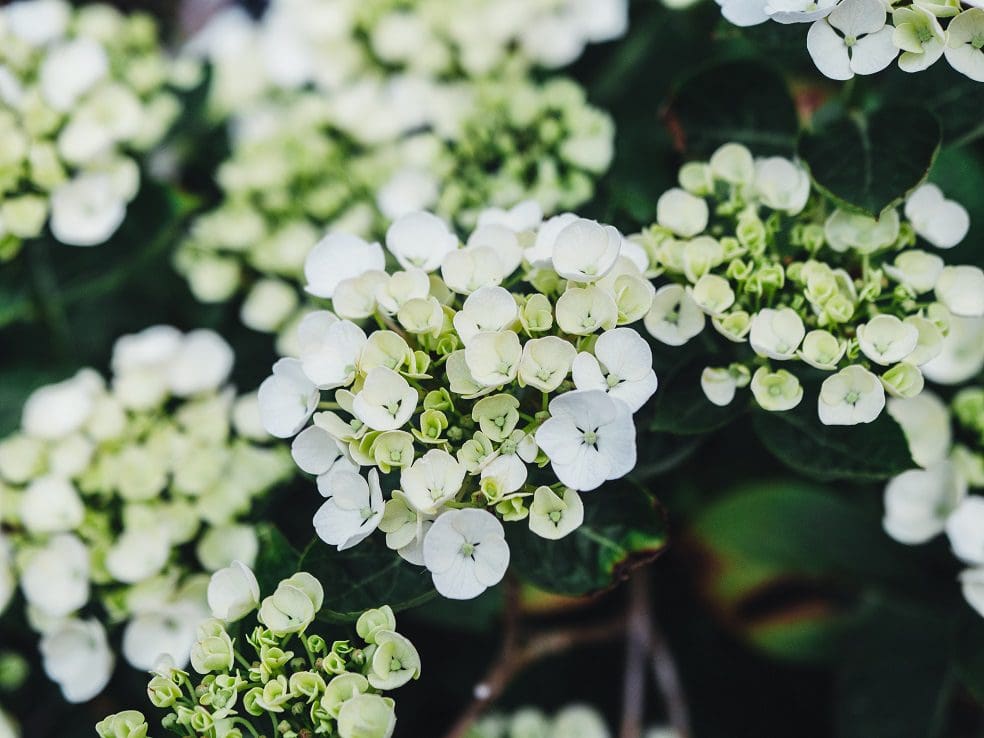
Annual plants complete their life cycle in one growing season. Deer often love annuals because they offer a fresh, tender source of foliage and flowers, making them attractive targets in gardens.
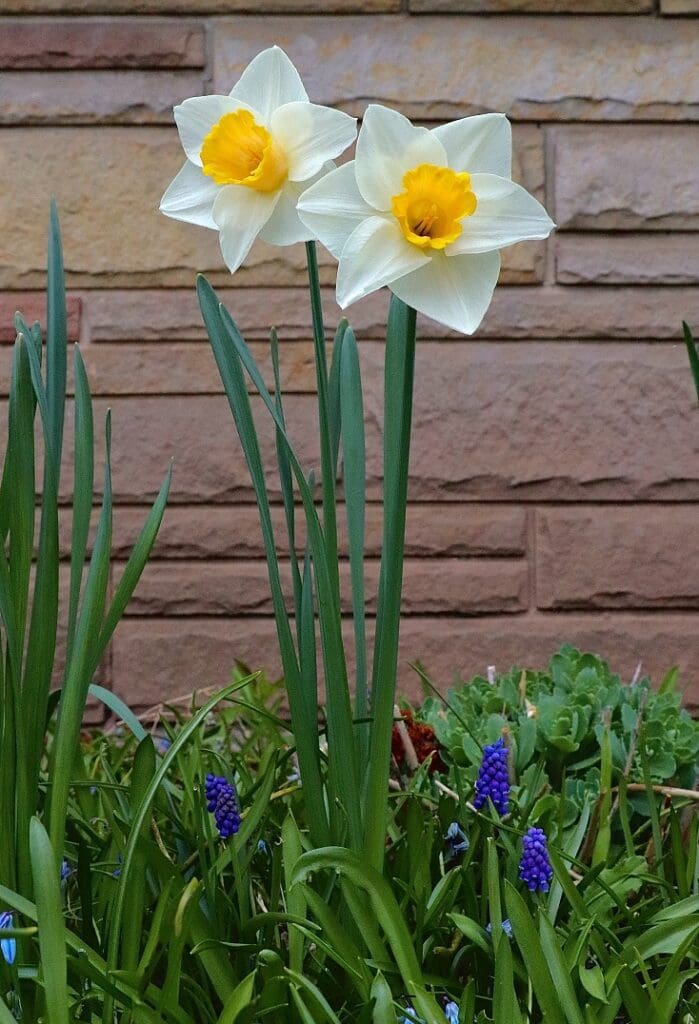
Bulbous plants like tulips and lilies store energy in their underground bulbs. Deer are drawn to these plants, especially when they start sprouting, as the new growth is tender and appetizing to them.
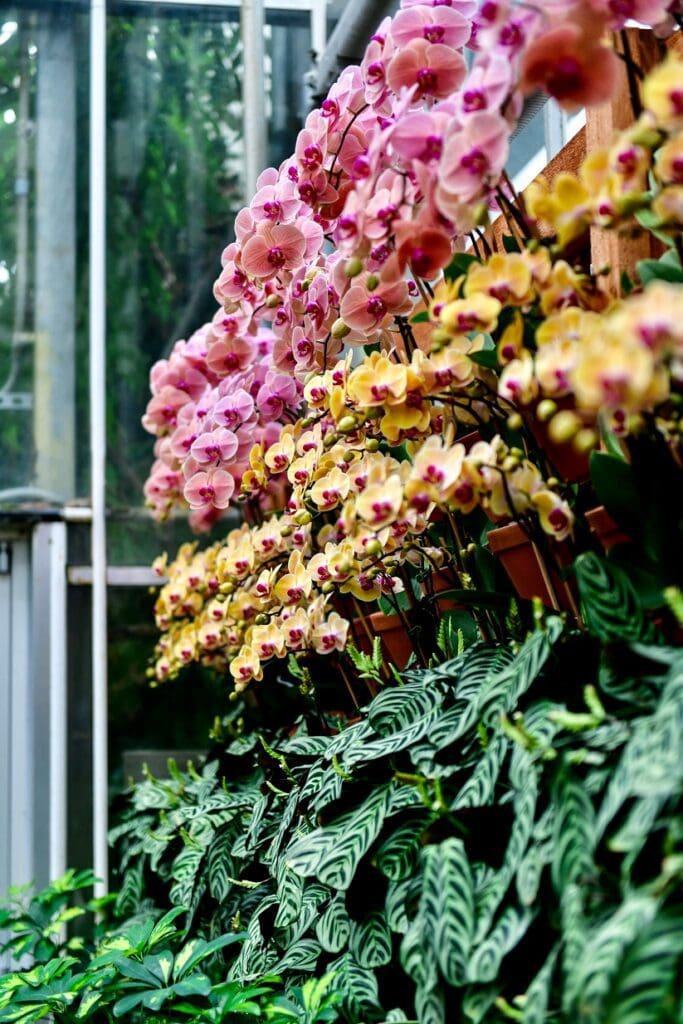
Orchids are prized for their exotic and often fragrant flowers. While not a typical deer favorite, in areas with high deer populations, they may nibble on orchid blooms and leaves, especially if other food sources are scarce.
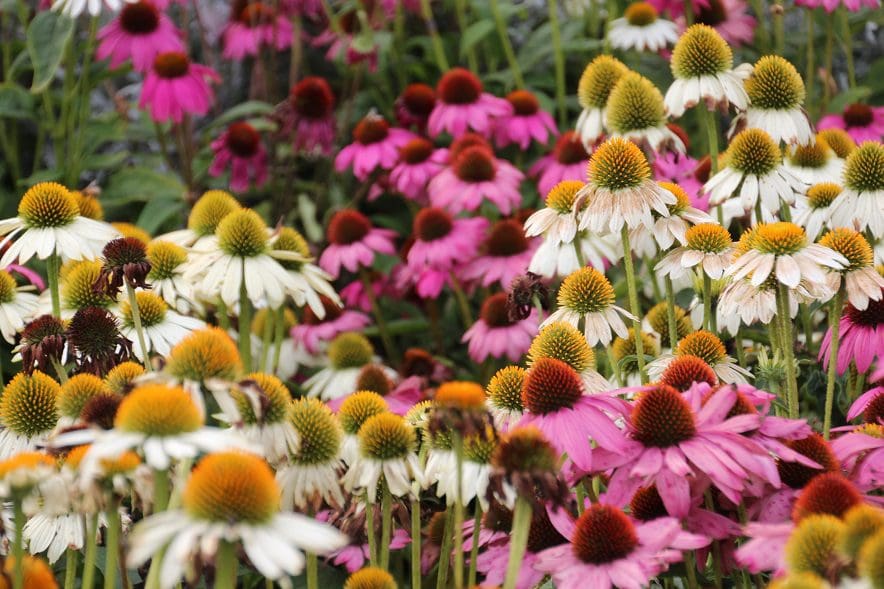
Perennial plants come back year after year. While some perennials have characteristics that make them less appealing to deer, others may still be vulnerable to deer browsing, particularly in regions with heavy deer activity.
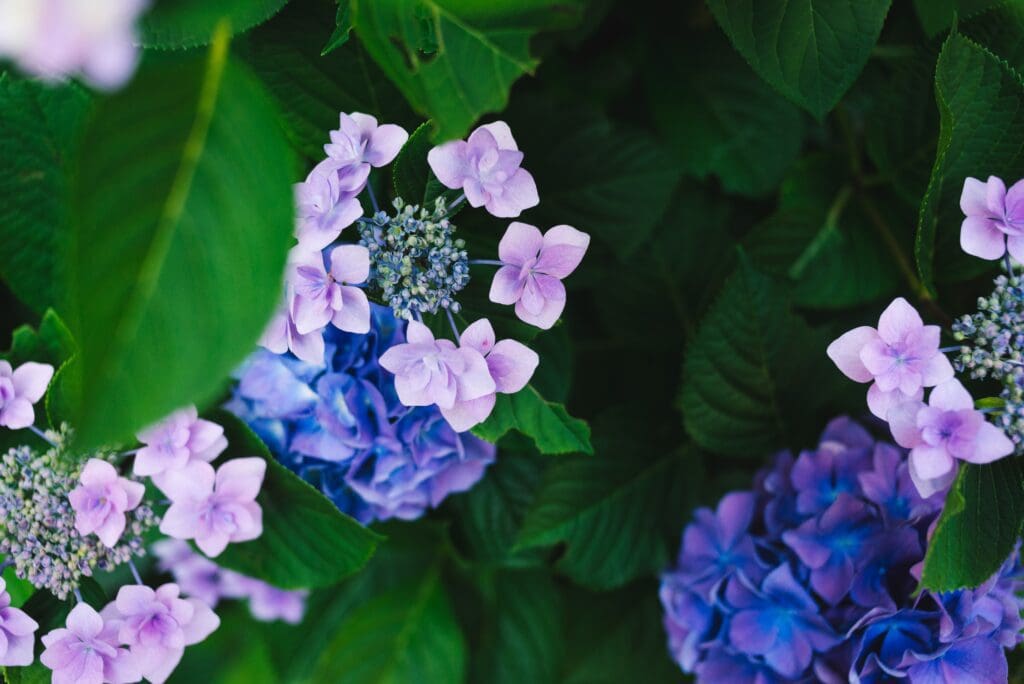
Many shrubs, especially those with lush foliage or berries, are preferred by deer. They provide both cover and a year-round source of food, making them frequent targets for deer browsing.
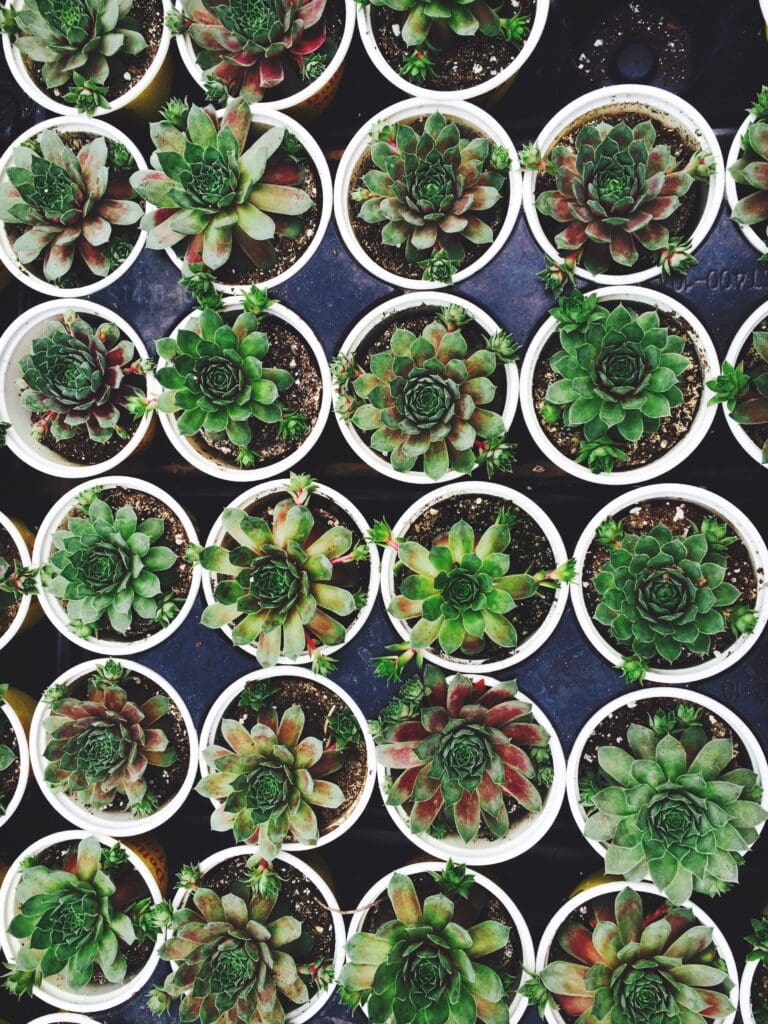
Succulents are known for their water-storing leaves and fleshy stems. While deer typically avoid these plants due to their thick, sometimes bitter-tasting leaves, hungry deer may sample succulents if other food options are scarce.
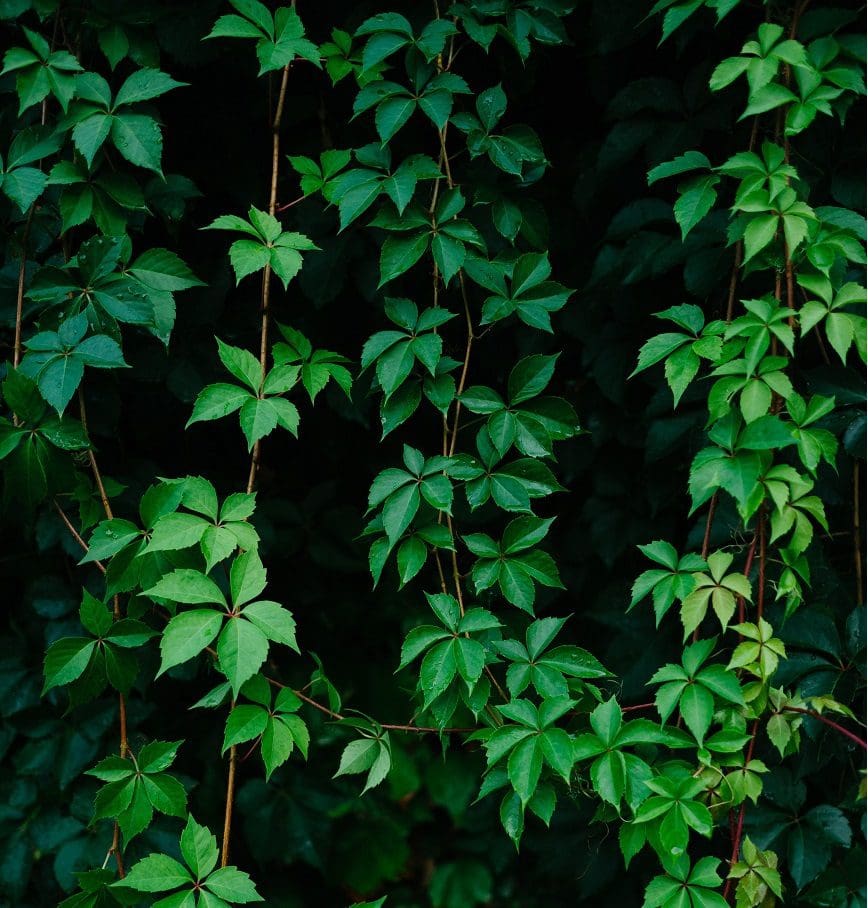
Deer often favor vines, particularly those with abundant foliage or berries. Vines offer deer both concealment and a consistent food supply throughout the year, making them a common choice for deer to browse
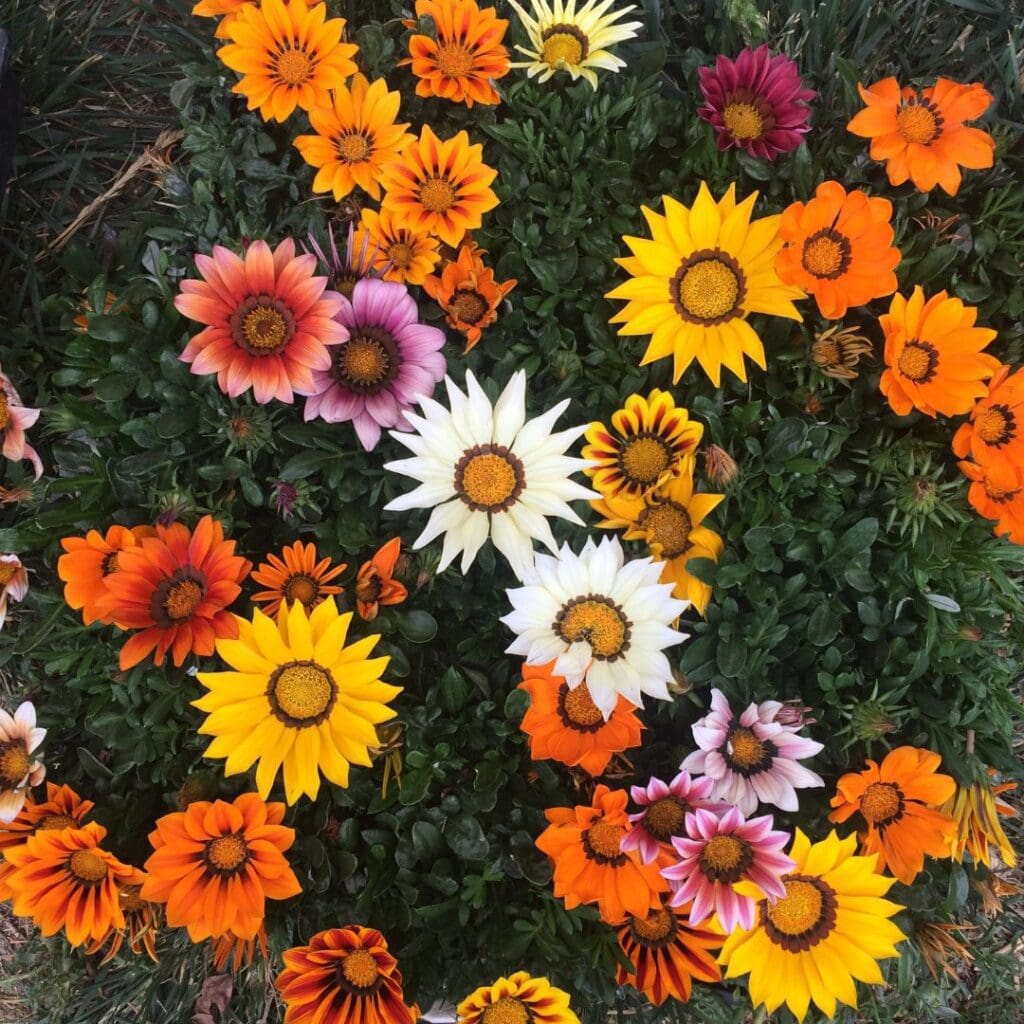
Flowers, like vines for deer, are vital for pollinators. They provide nectar and pollen as a consistent food source, aid in plant reproduction through pollination, and offer shelter to insects with their diverse structures, benefiting both wildlife and plant ecosystems.
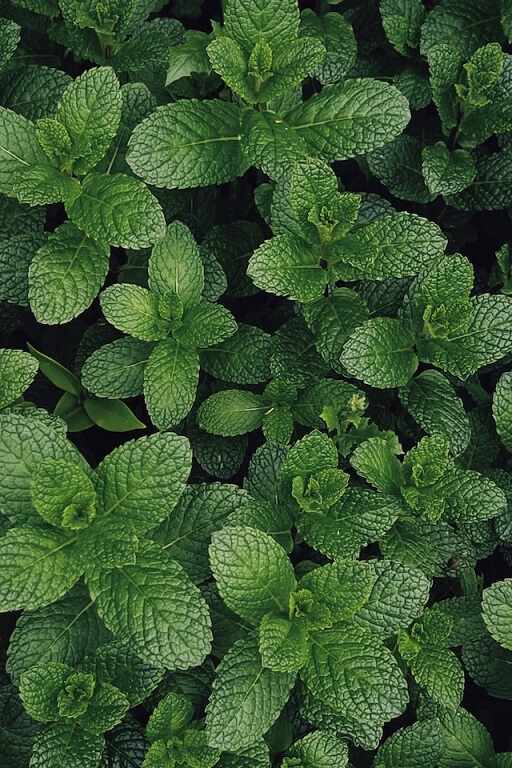
Herbs, like nature’s cure, are vital for ecosystems. They provide essential sustenance for pollinators, offering nectar and pollen, aiding in plant reproduction. Their diverse structures offer shelter to insects, benefiting both wildlife and plant ecosystems.
Take action now and prevent deer damage to your plants. Choose the natural option of spray on deer repellent that will not affect your plant’s growth.



do deer eat plants, do deer eat, do deer eat succulents, deer plants eat, will deer eat, plants deer eat, deer and plants
Deer are herbivores with a varied diet, but they tend to gravitate towards plants that are tender, nutrient-rich, and easily digestible. Their feeding habits are influenced by seasonal availability, nutritional needs, and the specific environment they inhabit. Understanding these preferences is key to effective garden protection.
Young, tender growth, such as new shoots, buds, and soft leaves, are particularly appealing to deer. They often seek out plants that offer a high moisture content and are less fibrous. This is why annuals, with their rapid growth and succulent foliage, are frequently targeted, as are the fresh blooms and leaves of many perennial flowers and vegetables.
The feeding habits of deer can significantly disrupt the natural balance of a garden ecosystem. By selectively browsing on certain plants, deer can alter plant diversity, reduce the availability of food sources for other wildlife, and impact the overall health and structure of the landscape.
Overgrazing by deer can lead to the decline of native plant species, making way for more resilient, often invasive, plants that may be less beneficial to the local environment. This can also affect insect populations that rely on specific plants for food and habitat, creating a ripple effect throughout the food web.
Certain plant characteristics naturally deter deer from browsing. These often include strong scents, fuzzy or leathery leaves, thorny or prickly textures, and bitter or toxic properties. Incorporating plants with these traits into your landscaping can significantly reduce the likelihood of deer damage.
For instance, plants with aromatic foliage, such as lavender, rosemary, and sage, often have scents that deer find unappealing. Similarly, plants with tough, leathery leaves like hydrangeas and peonies, or those with prickly surfaces like barberry, are generally less attractive to deer compared to softer, more palatable options.
Protecting your garden from deer requires a multi-faceted approach that combines plant selection, physical barriers, and deterrents. By implementing a combination of these strategies, homeowners can effectively safeguard their landscaping from unwanted browsing.
Beyond choosing deer-resistant plants, physical barriers like fencing can be highly effective, though often costly and aesthetically challenging. Scent-based and taste-based repellents, whether commercial or homemade, can also be used to make plants less appealing. Regular application and rotation of deterrents are crucial for maintaining their effectiveness against persistent deer populations.