




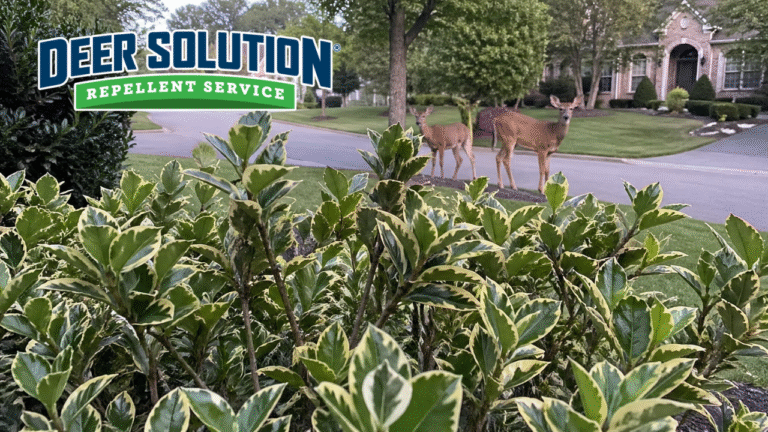
Euonymus is a widely used ornamental plant found in landscapes across the United States. Known for its versatility, it comes in many forms, from low-growing groundcovers like Euonymus fortunei (wintercreeper) to upright shrubs such as burning bush (Euonymus alatus). With attractive foliage that can range from deep green to variegated patterns and even vibrant red in the fall, Euonymus is often chosen for foundation plantings, hedges, and erosion control. But for homeowners dealing with deer pressure, one important question comes up quickly: do deer eat Euonymus?
The short answer is yes, and often quite aggressively. Euonymus is not considered deer-resistant and, in many cases, is actually a preferred food source. In landscapes where deer are active, these plants are frequently browsed, sometimes to the point of severe damage.
Why Euonymus Is Vulnerable
One of the reasons Euonymus is so vulnerable comes down to its texture and nutritional profile. The foliage tends to be relatively soft and palatable compared to more resistant plants with thick, waxy, or aromatic leaves. Deer are opportunistic feeders, and when they encounter a plant that is both easy to consume and readily available, it often becomes part of their regular feeding pattern. Euonymus fits that description well. In fact, it is often grouped alongside other commonly browsed plants like arborvitae and yew, which are also known to suffer repeated deer damage in many regions.
Seasonal Risk
Seasonality plays a major role in how much damage Euonymus experiences. While deer may browse lightly during the growing season when food is abundant, the risk increases significantly in fall and winter. As natural food sources become scarce, deer shift their feeding habits and rely more heavily on evergreen and semi-evergreen plants. This is when Euonymus, especially wintercreeper and other evergreen varieties, becomes particularly vulnerable. Deer may consume not only the leaves but also stems and even bark, which can lead to long-term stress or plant death.
How Plant Type and Geography Play a Role
The type of Euonymus in your landscape can also influence how it is affected. Low-growing varieties like wintercreeper are especially easy for deer to access and often show widespread browsing damage. Upright shrubs, including burning bush, may initially escape heavy feeding on upper growth, but over time deer will browse within reach, creating a “pruned” or uneven appearance. Repeated feeding can distort the plant’s natural shape, reduce its density, and limit its seasonal color display.
Geography also matters. In suburban and semi-rural areas with high deer populations, such as parts of the Northeast, Mid-Atlantic, and Midwest, Euonymus is rarely left alone. In these regions, deer have adapted well to residential environments and often return to the same food sources night after night. In areas with lower deer density or more diverse natural forage, damage may be less severe or less consistent. This variability can sometimes lead to confusion among homeowners, as one property may see heavy damage while another nearby experiences only occasional browsing.
Deer Feeding Behavior Is Not Static
It is also important to understand that deer feeding behavior is not static. What deer eat can change based on population pressure, weather conditions, and available food sources. A plant that is ignored one year may be heavily browsed the next, especially during harsh winters or drought conditions. Because of this, Euonymus should generally be considered a high-risk plant in any area where deer are present, even if damage has not yet occurred.
Recognizing the Damage
When deer feed on Euonymus, the impact is often easy to spot. Leaves may appear torn or missing entirely, with ragged edges rather than clean cuts. In more severe cases, stems are stripped, and bark may be damaged, particularly in winter months. Over time, repeated browsing can weaken the plant, reduce new growth, and leave it looking sparse or unhealthy. While Euonymus is known for being relatively resilient and capable of regrowth, this recovery often depends on whether the plant is given a chance to rebound without continued pressure.
Protection Strategies
For homeowners who want to keep Euonymus in their landscape, protection is typically necessary. Physical barriers such as fencing or netting can be effective, particularly for smaller plantings or high-value areas. However, these solutions are not always practical or aesthetically desirable, especially for larger properties or widespread plantings.
Another approach involves strategic planting. Mixing Euonymus with less palatable species can sometimes reduce the likelihood of concentrated damage, although it does not eliminate the risk entirely. Deer will still browse preferred plants if they are available, even in diverse landscapes.
Consistent use of deer repellent is one of the most common and scalable strategies for protecting Euonymus. Repellents work by making the plant less appealing through scent or taste, helping to interrupt feeding patterns and encourage deer to move on to other areas. The key word here is consistency. Occasional or one-time applications are rarely enough, especially in regions with heavy deer activity. Regular, professionally applied treatments throughout the growing season and into the winter months are often needed to maintain protection.
Plant Recovery
It is also worth noting that plant recovery is possible. Even heavily browsed Euonymus can bounce back under the right conditions. Once feeding pressure is reduced or eliminated, new growth can emerge, and the plant may regain its shape over time. In some cases, regrowth can even be denser than before. However, this recovery process takes time and depends on the severity and duration of the damage.
Weighing the Trade-Offs
For homeowners evaluating their landscaping choices, Euonymus presents a bit of a trade-off. It is attractive, versatile, and relatively easy to grow, but it comes with a higher risk of deer damage compared to more resistant species. Understanding this balance can help set realistic expectations and guide decisions about where and how to use it in the landscape.
In the end, the question is not just whether deer eat Euonymus, but how likely they are to target it in your specific environment. In many parts of the country, the answer is clear: Euonymus is highly susceptible and often treated as a go-to food source. With that in mind, proactive planning and protection can make the difference between a thriving planting and one that struggles season after season.
By approaching Euonymus with an understanding of deer behavior and a strategy for managing browsing pressure, homeowners can still enjoy its benefits while reducing the risk of ongoing damage.


