





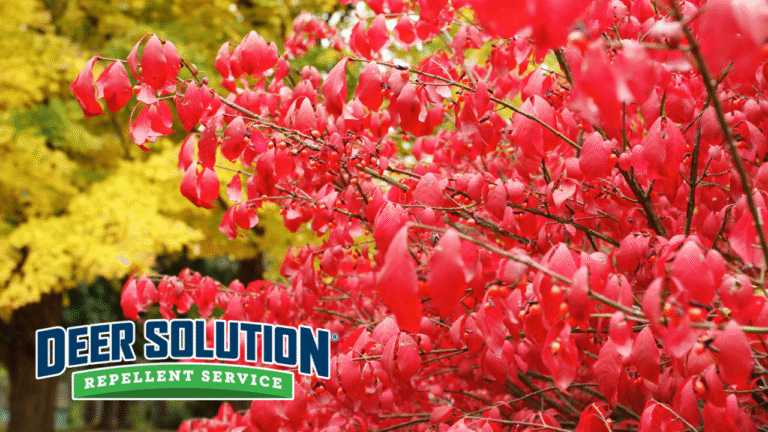
Burning bush (Euonymus alatus) is a well-known ornamental shrub, valued for its vibrant red foliage in the fall and its ability to add structure to the landscape throughout the year. Often used in foundation plantings, borders, and mass plantings, it has long been considered a hardy and relatively low-maintenance option. It is also frequently labeled as “deer-resistant,” which leads many homeowners to believe it is a safe choice in areas with deer activity. But how accurate is that assumption?
The reality is more nuanced. Deer do eat burning bush, particularly during the winter months when other food sources are limited. While it may not be their first choice during times of abundance, it can quickly become a target when conditions change.
What “Deer-Resistant” Really Means
The idea of “deer-resistant” can be misleading. It does not mean deer will avoid a plant entirely. Instead, it suggests that under normal conditions, deer may prefer other options. However, deer are highly adaptable and driven by necessity. When winter arrives and natural forage becomes scarce, their feeding behavior shifts. Plants that might have been ignored in the spring or summer suddenly become viable food sources.
Why Burning Bush Is Vulnerable in Winter
Burning bush is especially vulnerable during this seasonal transition. As deciduous shrubs lose their leaves in the fall, they no longer offer the same visual appeal, but they remain accessible to deer in another way. Without foliage, the plant’s buds, stems, and bark are exposed. These parts of the plant become the primary targets for deer browsing throughout the winter and into early spring.
Unlike damage seen during the growing season, winter browsing on burning bush can be more serious. Deer often feed on the fine twigs and developing buds, which are critical for the plant’s growth in the coming season. Repeated feeding can reduce the shrub’s ability to leaf out fully in the spring, leading to a thinner, less vibrant appearance. In more severe cases, deer may strip sections of bark, which can disrupt the plant’s ability to transport nutrients and water.
Recognizing the Damage
This type of damage is not always immediately obvious. Because burning bush is dormant during the winter, homeowners may not notice the full extent of the problem until the following spring. What was once a dense, healthy shrub may struggle to produce new growth, show uneven branching, or fail to develop its signature fall color.
The risk of damage increases in areas with high deer populations. In suburban and semi-rural regions, where deer have adapted to living near residential properties, burning bush is often browsed regularly once winter sets in. Even if the plant has been left untouched for much of the year, it can become part of a deer’s winter feeding routine. Over time, this repeated pressure can weaken the plant and affect its long-term health.
Young Plants Are Most at Risk
Young burning bush plants are particularly susceptible. Their smaller size means most of their structure is within easy reach, and their bark is typically thinner and more vulnerable to damage. Without protection, newly planted shrubs can experience significant setbacks during their first few winters, delaying establishment or, in some cases, leading to plant loss.
It is also worth noting that deer are not the only animals that can damage burning bush in winter. Rabbits and voles are known to chew on bark near the base of the plant, especially when snow cover allows them to access higher portions of the stem. This combined pressure from multiple animals can compound the damage and make recovery more difficult.
Can Burning Bush Recover?
Despite these challenges, burning bush does have some capacity to recover. Light to moderate browsing may result in temporary setbacks, but the plant can often rebound with time. However, recovery depends heavily on the severity of the damage. When bark is stripped extensively or stems are repeatedly eaten back, the plant may not be able to regenerate effectively. In those cases, the damage can be permanent.
How to Protect Burning Bush from Deer
For homeowners who want to maintain burning bush in their landscape, proactive protection is key, especially heading into the winter months. Physical barriers are one of the most reliable methods. Installing fencing or wire cages around shrubs can prevent deer from reaching the plant altogether. This is particularly important for young or newly planted shrubs that are still establishing themselves.
Another common approach is the use of repellents. Applying a deer repellent in late fall, before heavy browsing begins, can help deter deer from targeting the plant. These products work by making the stems and buds less appealing, encouraging deer to move on to other food sources. As with most repellents, consistency is important. Reapplication may be needed throughout the winter, especially after precipitation or temperature fluctuations.
Landscape Strategies to Reduce Risk
Landscape design can also play a role in reducing risk. Incorporating a variety of plant types rather than relying heavily on one species can help distribute browsing pressure. While this does not eliminate the possibility of damage, it can make it less likely that deer will focus extensively on burning bush alone.
Understanding deer behavior is an important part of managing expectations. Deer feeding patterns are influenced by many factors, including weather, population density, and the availability of food. A mild winter may result in minimal damage, while a harsh winter can lead to widespread browsing, even on plants that are typically considered less desirable.
Final Thoughts
This variability is why burning bush should be viewed as conditionally resistant rather than reliably protected. In areas with consistent deer activity, it is best to assume that some level of winter browsing will occur and plan accordingly.
Burning bush remains a popular choice for its visual impact and adaptability, but like many ornamental shrubs, it comes with trade-offs. Its reputation for deer resistance can create a false sense of security, particularly for homeowners who are new to managing deer pressure in their landscape.
By recognizing that deer will eat burning bush, especially during the winter months, homeowners can take steps to protect their investment and maintain the health and appearance of their plantings. With the right combination of awareness and proactive care, it is possible to enjoy the benefits of burning bush while minimizing the impact of seasonal deer damage.


