Understanding Deer Preferences for Annual Plants
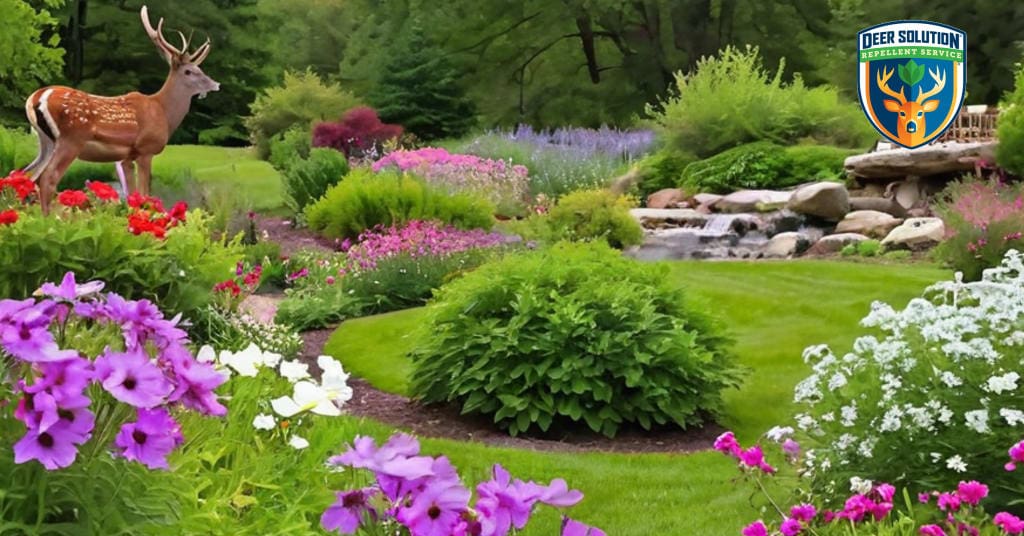
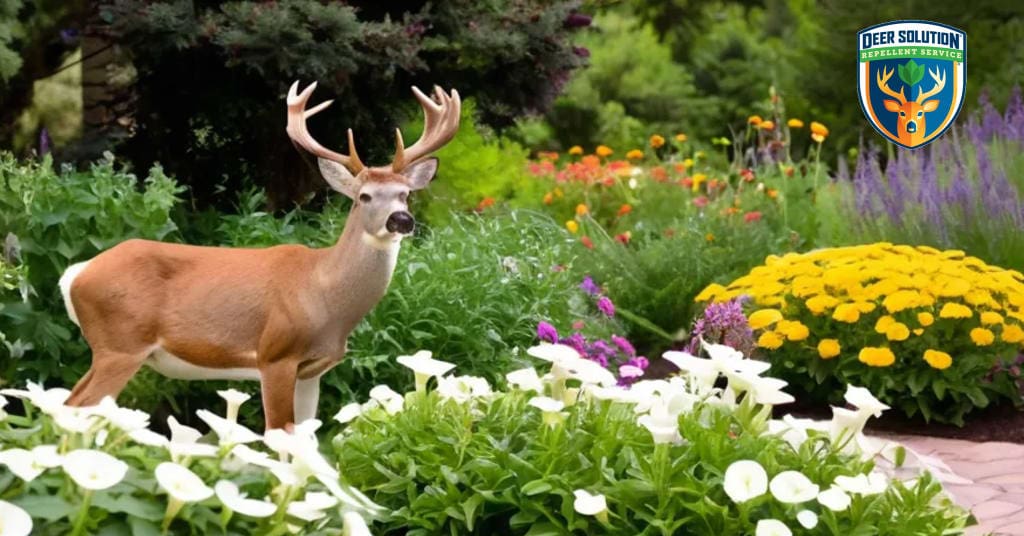
Deer Solution understands that gardeners often face the dilemma of choosing annual plants that can withstand deer browsing. While some annuals are naturally less appealing to deer due to their scent, texture, or toxicity, many popular choices can become a deer's favorite snack. Identifying which annuals are most likely to be eaten is the first step in protecting your garden.
Commonly browsed annuals include plants with tender foliage and sweet fragrances, such as petunias, impatiens, pansies, and marigolds. Conversely, annuals with fuzzy leaves, strong scents, or bitter tastes are generally more deer-resistant. Understanding these general preferences can help gardeners make informed planting decisions and proactively implement protective measures.
Deer-Resistant Annual Plants for Your Garden
For gardeners aiming to create a beautiful landscape that deer are less likely to disturb, selecting deer-resistant annual plants is a strategic approach. These plants offer vibrant colors and attractive foliage without becoming a primary food source for local deer populations. Incorporating a variety of these species can significantly reduce the risk of damage.
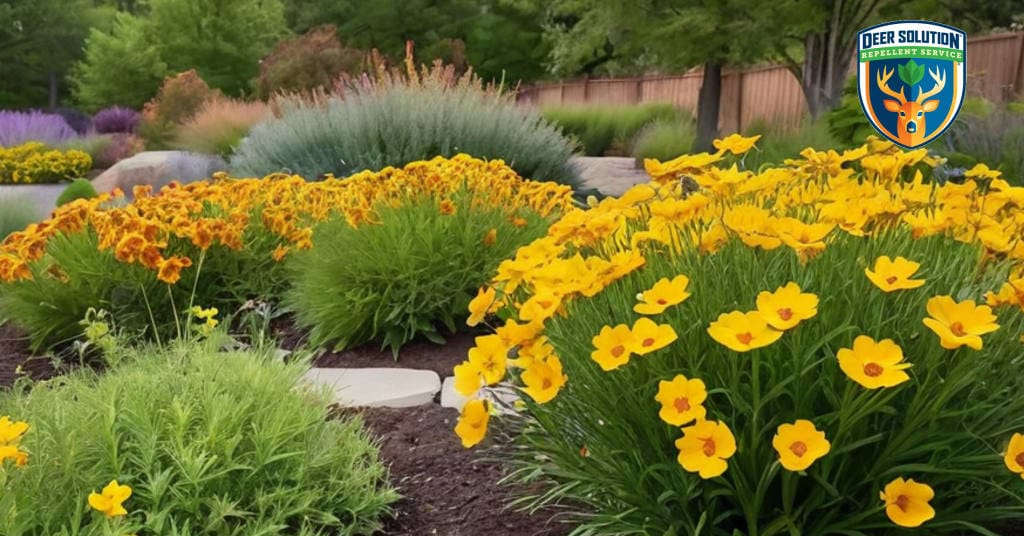
Examples of annuals that tend to be less appealing to deer include snapdragons, zinnias, verbena, salvia, and coleus. Many of these plants have characteristics like strong scents, rough textures, or mildly toxic properties that deter deer. By prioritizing these varieties, gardeners can enjoy a more resilient and aesthetically pleasing garden throughout the growing season.
Protecting Your Annuals from Deer Damage
Even with careful plant selection, deer can still pose a threat to your annual garden. Implementing a multi-faceted protection strategy is crucial for ensuring your plants thrive. This involves a combination of deterrents and physical barriers to make your garden less accessible and appealing to deer.
Effective protection methods include using deer repellents, which can be scent-based or taste-based, and are often derived from natural ingredients. Physical barriers like fencing or netting around vulnerable plants can also be highly effective. Regularly inspecting your garden for signs of deer activity and reapplying deterrents as needed will help maintain a deer-free zone.
The Role of Deer Solution in Annual Plant Protection
Deer Solution offers specialized services designed to safeguard your annual plants from the persistent threat of deer damage. Leveraging extensive knowledge of deer behavior and plant vulnerabilities, our eco-friendly repellent solutions provide a comprehensive defense for your garden.
Our approach focuses on creating an environment that is unappealing to deer, ensuring your annuals can flourish without being browsed. We provide targeted treatments and ongoing support to maintain the integrity of your landscape, allowing you to enjoy the beauty of your garden throughout the year.