


Arborvitae are among the most widely planted evergreen shrubs in residential and commercial landscapes across the United States. Valued for their year-round structure, privacy screening, and relatively low maintenance needs, they are a staple recommendation for many landscape professionals.
However, winter presents a unique set of challenges for arborvitae, and failure to address these risks can result in costly damage, client dissatisfaction, and long-term plant decline.
Understanding what arborvitae are most susceptible to in winter, and how to proactively protect them, is essential for green industry professionals who want to deliver long-term results for their clients.
Why Arborvitae Are Especially Vulnerable in Winter
Unlike deciduous plants, arborvitae retain their foliage year-round. This trait makes them valuable in the winter landscape, but it also exposes them to environmental stressors at a time when recovery is limited.
Some of the most common winter threats include:
Winter Burn and Desiccation
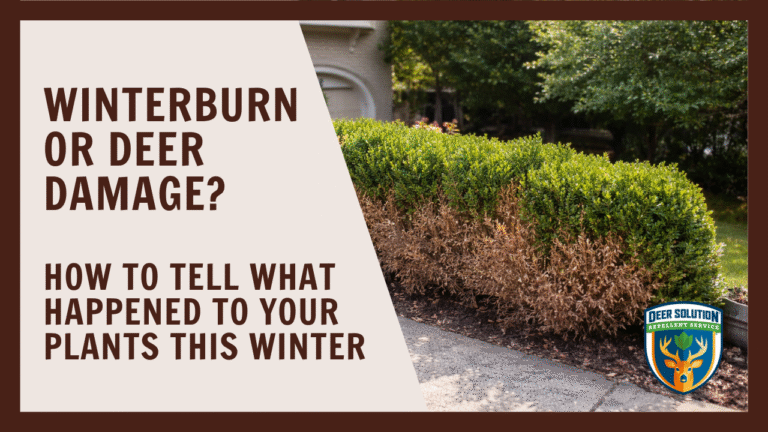
Winter burn occurs when arborvitae lose moisture through their foliage faster than it can be replaced by frozen soil. Cold winds, low humidity, and bright winter sun all contribute to this problem. The result is browning or bronzing of foliage, particularly on exposed sides of the plant.
This type of damage is often misdiagnosed as disease or insect injury in spring, when the damage becomes more visible.
Snow and Ice Load
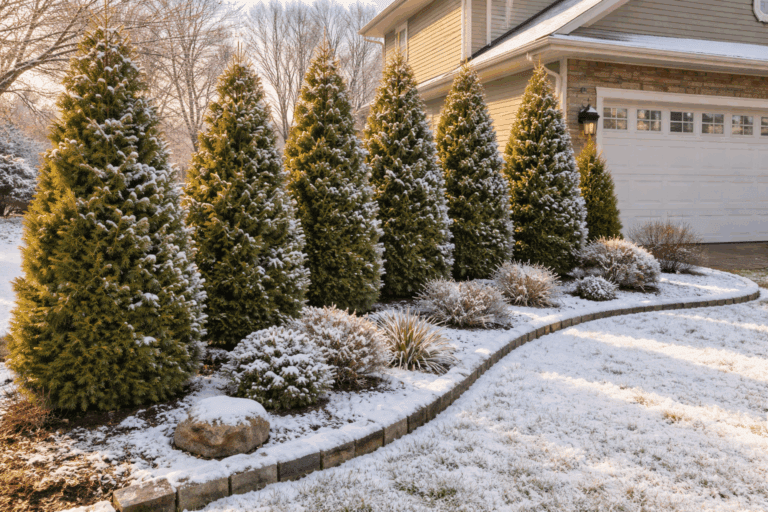
Heavy snow accumulation can cause arborvitae branches to splay, bend, or break. Upright varieties are especially prone to structural damage when snow is allowed to accumulate between stems. Ice storms can compound this issue by adding weight and causing cracking.
Once structure is compromised, arborvitae may never regain their intended form, reducing both aesthetic value and screening effectiveness.
Salt Injury
In regions where road salt is used, arborvitae planted near driveways, sidewalks, or roadways are at risk of salt spray and soil contamination. Salt damage can cause needle browning, thinning foliage, and root stress that worsens over time.
Deer Damage
Across much of the country, deer damage remains one of the most destructive and costly winter threats to arborvitae. When natural food sources are scarce, deer readily browse arborvitae because they are accessible, evergreen, and nutritionally consistent.
Winter deer damage often includes:
- Heavy browsing along lower and mid-level foliage
- Stripping of branch tips
- Antler rubbing that shreds bark and stems
Unlike summer browsing, winter damage is frequently severe and concentrated. In many cases, damage is not cosmetic. Once arborvitae are browsed beyond their green growth, recovery may be slow or impossible.
Why Winter Arborvitae Damage Is So Costly
Arborvitae are often planted in large quantities to form hedges or privacy screens. When winter damage occurs, it rarely affects just one plant. Entire rows can be compromised, creating gaps that defeat the original design intent.
From a client perspective, the cost is not limited to plant replacement. There is also:
- Loss of privacy
- Decreased property value
- Additional labor and disposal costs
- Time required for replacement plants to mature
For professionals, repeated winter damage can strain client relationships and raise questions about plant selection or maintenance practices, even when deer pressure or weather conditions are the true culprits.
Best Practices for Winter Arborvitae Protection
Green industry professionals play a critical role in helping clients understand that arborvitae protection is not reactive. It requires planning, monitoring, and realistic expectations.
Site Assessment and Education
Before winter begins, assess each property’s exposure to wind, sun, and deer activity. Arborvitae planted along wooded edges, travel corridors, or known bedding areas require a higher level of protection.
Educating clients early about risks and prevention builds trust and reduces surprises in spring.
Proper Watering Before Freeze
Ensuring arborvitae are well hydrated before the ground freezes helps reduce winter burn. Late fall watering, especially during dry autumns, can significantly improve winter resilience.
Structural Support
Tying or wrapping upright arborvitae can prevent snow-related damage. Breathable materials should be used, and ties should be snug enough to support the plant without restricting growth.
Mulching and Soil Care
Applying mulch helps regulate soil temperature and moisture while reducing salt splash. Avoid piling mulch against the trunk, which can invite disease or rodent issues.
Deer Damage Control: A Specialized Winter Priority
Deer pressure varies widely by region, but winter browsing is a nationwide issue that continues to expand as deer populations grow and suburban development increases.
While fencing and netting may offer short-term relief, they are not always practical or aesthetically acceptable for clients. Repellents and treatment programs, when applied consistently and professionally, play a critical role in reducing browsing pressure throughout the winter months.
Deer Solution has built its reputation on decades of field experience, education, and realistic deer management strategies. The company emphasizes that no single treatment or one-time application solves deer damage. Instead, consistent monitoring, seasonal adjustments, and understanding deer behavior are essential components of effective control.
Positioning deer damage control as a professional service, rather than a quick fix, aligns expectations and improves long-term outcomes for clients and contractors alike.
Partnering for Better Winter Outcomes
Winter arborvitae damage is rarely the result of a single factor. It is the intersection of weather stress, site conditions, and wildlife pressure. Professionals who address all three are better positioned to protect their clients’ investments.
By combining sound horticultural practices with informed deer management strategies, green industry professionals can:
- Reduce plant loss
- Increase client satisfaction
- Strengthen long-term maintenance relationships
- Position themselves as trusted advisors
Arborvitae remain a valuable and versatile landscape plant. With proactive winter planning and the right expertise, they can continue to deliver beauty and function year after year, even under challenging winter conditions.